

Crush Course
Sappy pedagogy, or: everyone's romantic when the world is ending

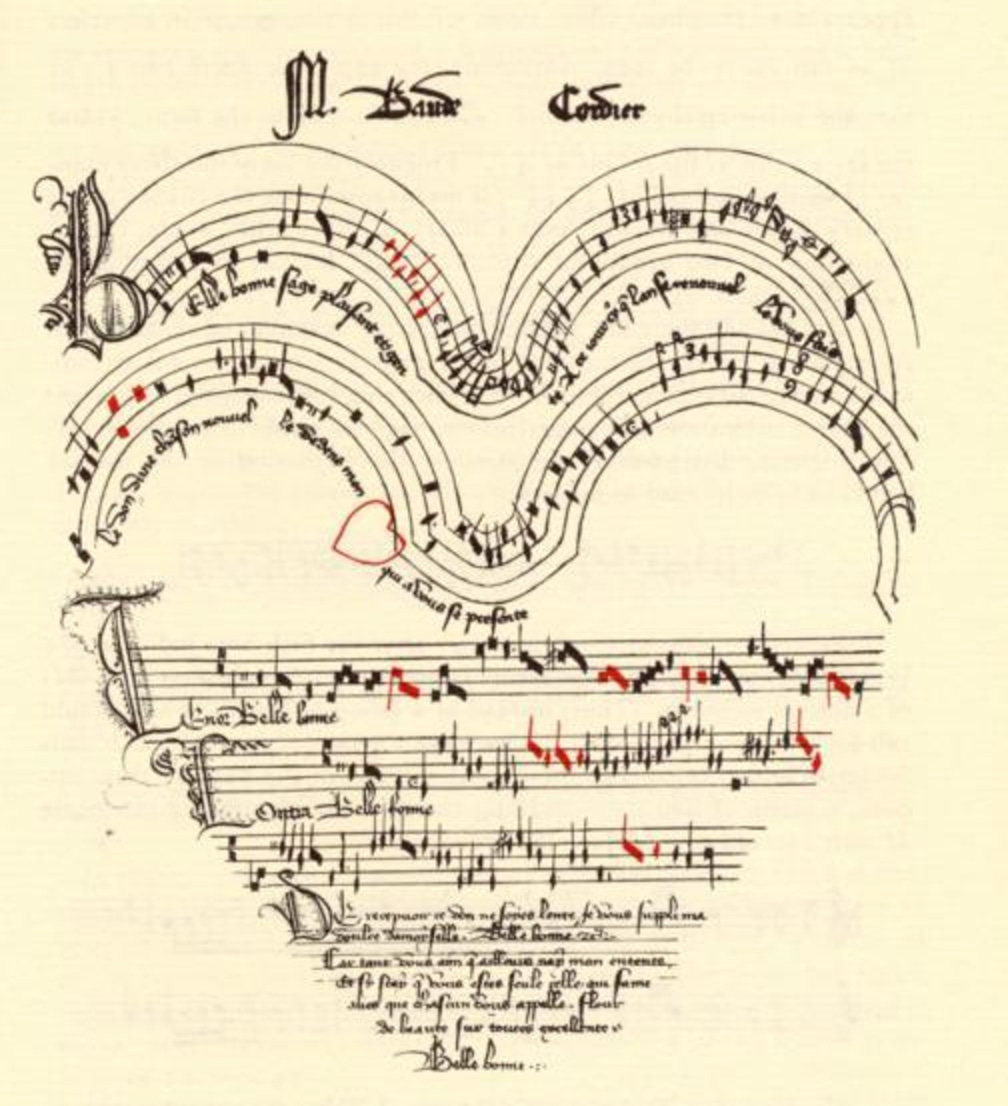
One of the many reasons that I am fortunate to have landed where I have is that I often get to design my own courses. While I’ve pretty much always been in charge of my own syllabi, in previous gigs, I was designing those in accordance with a school’s pre-existing coursework requirements, figuring out how I could best teach the topics that they had already decided needed to be taught. At UMKC I do a bit of that as well; but I can also say, as I did a months weeks ago, “I think I’d like to teach a seminar on love songs this year.” That is a luxury I’ve never experienced before, and which many teachers don’t have.
For the first time in my life, too, this means that I’ve proposed and designed a course that accords with my current research interests. This is kind of a stereotypical move for professors at larger, more prestigious universities, professors who have research assistants and funds that they can use to pay people for help on their new books. I’m not in that kind of situation, but that doesn’t mean I won’t be able to learn by engaging in a collaborative graduate seminar where I am forced to do the reading along with everyone else. In my long term planning, I want to write a book about desire and love in popular music. It won’t be organized around conventional love narratives; but in order to really understand the topic and pitch the book successfully, I want to know more about the history and context of that more normative understanding as well. Hence, this seminar.
Crush Course
As I’ve recently written, I’m becoming interested in both crushes (as a methodological perspective, as a narrative device) and love songs (as testaments of desire) in popular music, a project that’s still both nebulous and exciting to me. I have a few other ideas in the works, and particularly because “love songs” are such a universal, wayy-too-generic topic, I’m imagining this as an ambitious and potentially far-off project—in an ideal world, a post-tenure exercise. In the meantime, though, my suspicion is that the topic would be widely appealing for students, even those who are (as is the case where I work) predominantly performers in search of orchestra careers.
There is surprisingly little musicological research devoted to the trope of a love song, specifically, perhaps in part because they appear in most genres and historical periods. Is it the case that the form’s very ubiquity has rendered it difficult to apprehend? Or am I, in my end of the semester “oh shit I have to plan for the next one already” panic, missing something?1
Ted Gioa’s 2015 Love Songs seems the exception here, and while a version of this seminar would simply plow through its attempt at comprehensive history (from “Sappho and Confucius” through to “Modern Times”), I don’t want the seminar to proceed strictly chronologically.2 The problem, though, is that there are too many themes/frameworks that I’m interested in thinking through.
This is especially the case because in my nascent project, many of the love songs I’m talking about aren’t actually love songs. Or put in reverse, my view is that all songs are love songs insofar as they express desire, that we can learn differently from songs if we treat them as if they’re love songs. Everyday love songs (about the quotidian), lost love songs (laments about a bygone moment in one’s life), expansive love songs (about love objects beyond people), queer love songs (for just one example, the “grrrl crush”) all turn normative expectations for romance narratives upside-down, using the language of infatuation to get at something bigger. How to balance this critical inquiry with the necessary historical contextualization that a seminar requires?
That is probably a doomed aspiration. But I do think that I’ve compiled some interesting readings for the class.3 A draft syllabus is below, but I’d love your recommendations/feedback.
Crush Course: Love Songs and Social Critique
Rec
I’m not one of those 38 year-olds who only listens to music that was popular during their formative years. But I also do still listen to that music, in what I like to believe is a healthy rotation. This week in our house, it’s all about Discovery, which blended EDM aesthetics, hair-metal guitar riffs, and pioneering auto-tune crooning with some deeply funky grooves. “Digital Love” is a gorgeous love song from the perspective of a robot. Maybe a little too on the nose for 2024, but beautiful as a tune. Cry hard.
Eh? Eh? Drop your references here and receive my eternal gratitude expressed as emoji? (Feels to me like emoji must be both singular and plural, like “sushi.” You’re not out here saying “sushis” but you want me to say “emojis”? I dunno.)
I also haven’t read the book, which doesn’t help.
Oh my gosh, STOP IT. This is amazing. Thoughts for the syllabus: something from Niko Stratis (https://www.anxietyshark.ca); something from the book TWEE by Marc Spitz: https://www.harpercollins.com/products/twee-marc-spitz?variant=32116881293346; & that episode of This American Life when Starlee Kine gets help from Phil Collins to write a breakup/love song: https://www.thisamericanlife.org/339/break-up. WISH I COULD TAKE THIS CLASS!!!!!!!!!!!!
Not sure if it would fit into your syllabus but I’ve had this new-ish Sasha Keable track on repeat. The vibe and production are pretty typical of stuff I’m into but specifically the “who gave you permission to be so perfect…” delivery gets me every time (especially in her COLORS performance). It’s so accusatory and heartbreaking while delivering the highest compliment you can give to a person. I love it. Also, I’ve been hoping someone - more equipped than myself to write about this kind of topic - would put together something on R&B and Queer Love (maybe centering artists like Keable and Kehlani??)
https://youtu.be/sPlJYAz0fvA?si=voQYu-5ncbJIveAo